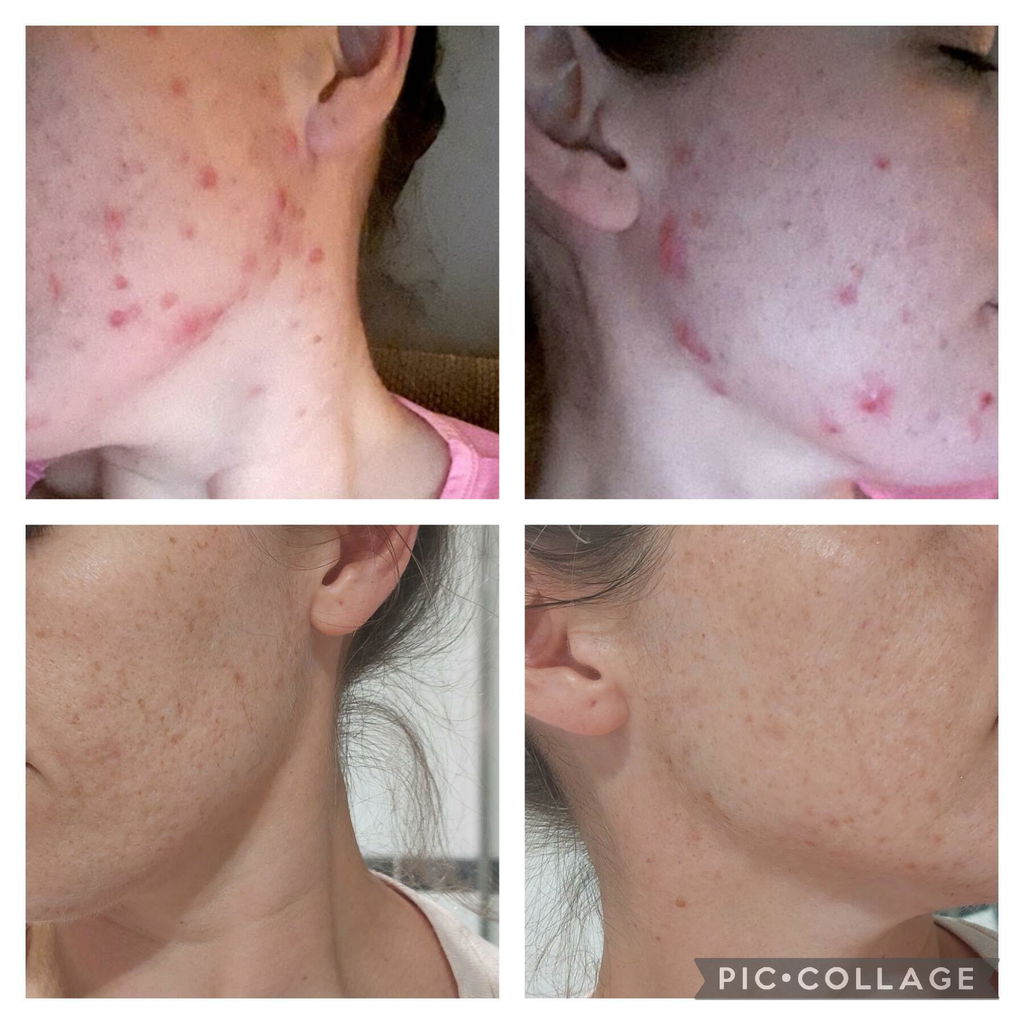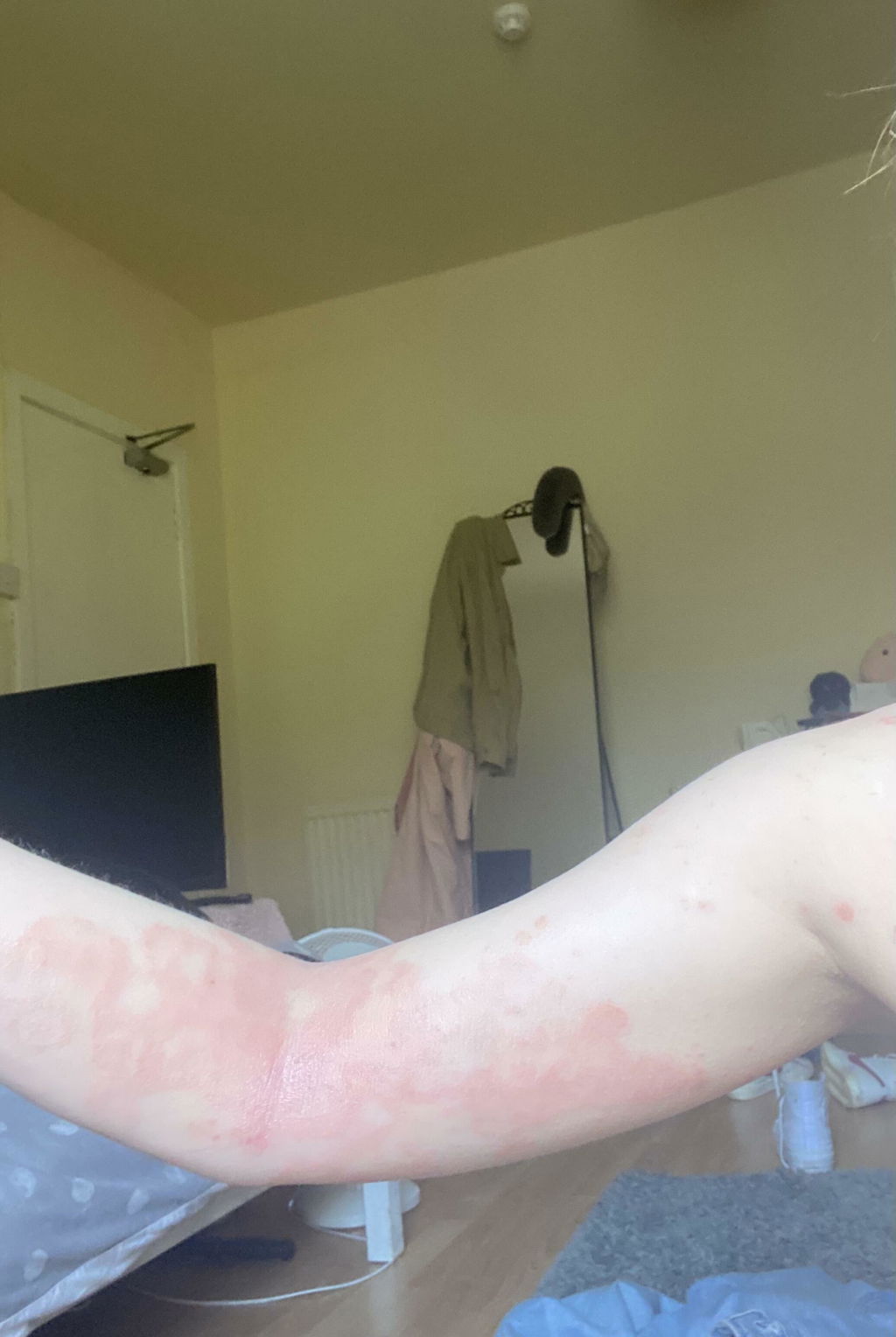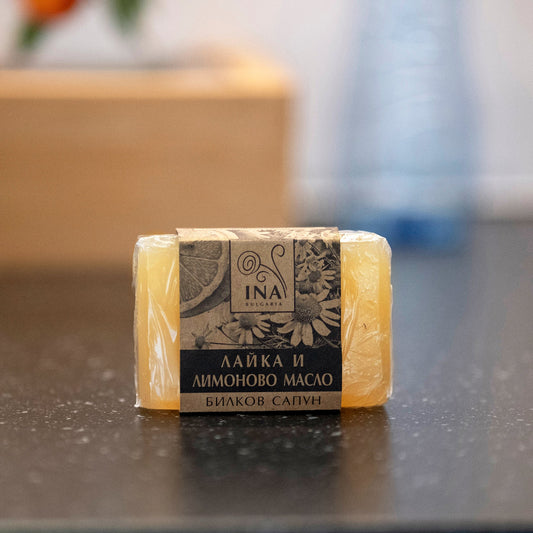


What causes acne scars and hyperpigmentation

Acne scars appear when inflammation damages the collagen and elastin fibres in the skin. The more severe the acne, the deeper the damage, because it's not just the surface layer that's affected but the deeper structures of the skin too.
This requires a longer recovery process and the production of connective tissue with a different texture from the surrounding skin, which is exactly where visible marks form.
Frequently touching and squeezing pimples further spreads the infection and deepens the damage, which is one of the most common triggers for scarring and hyperpigmentation.
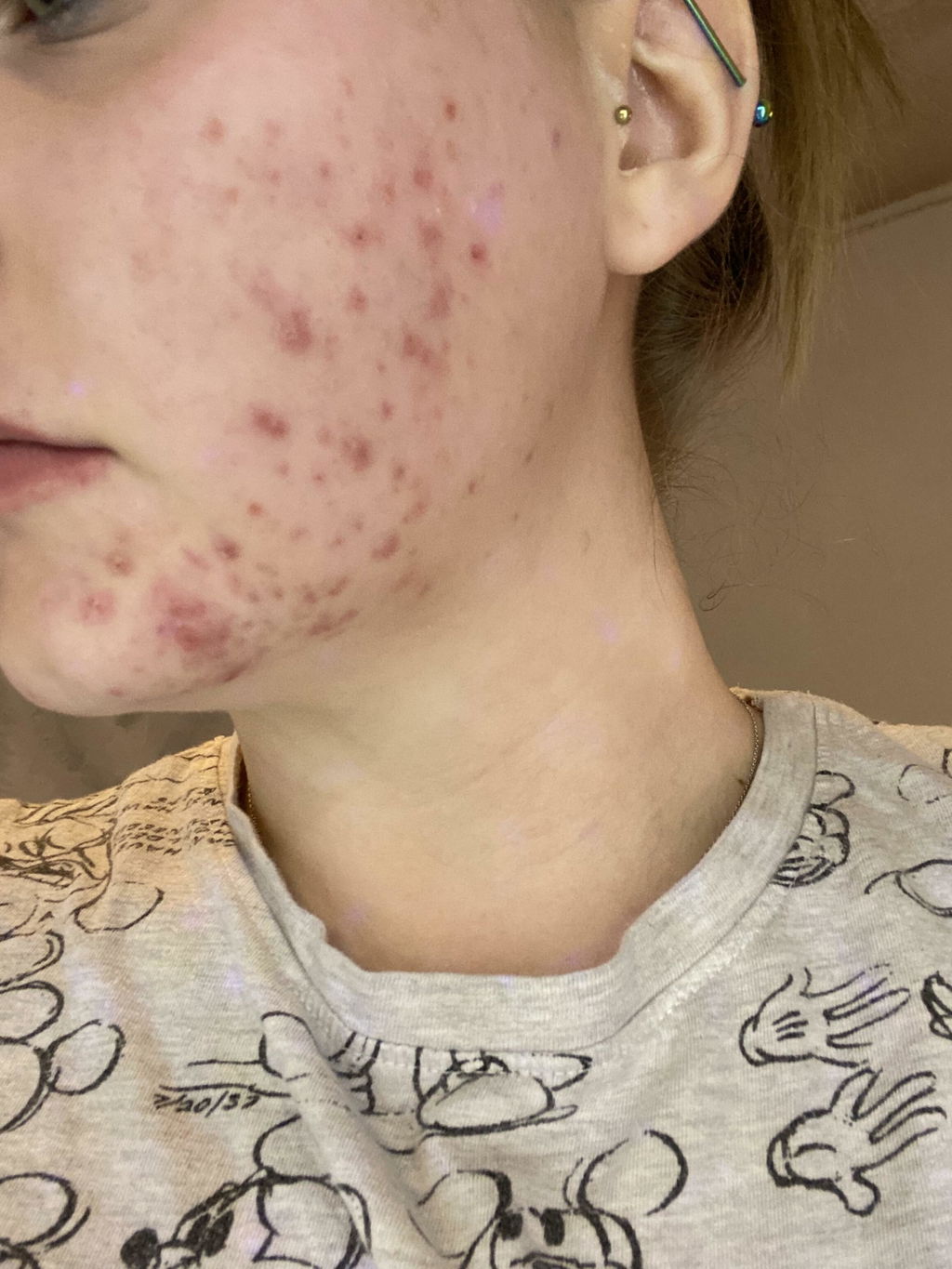
After a wound heals, the skin sometimes responds with increased melanin production in the affected areas, known as post-inflammatory hyperpigmentation. It shows up as marks of varying colour, from pink and red to brown or darker.
Types of acne marks: pigmentation and scarring
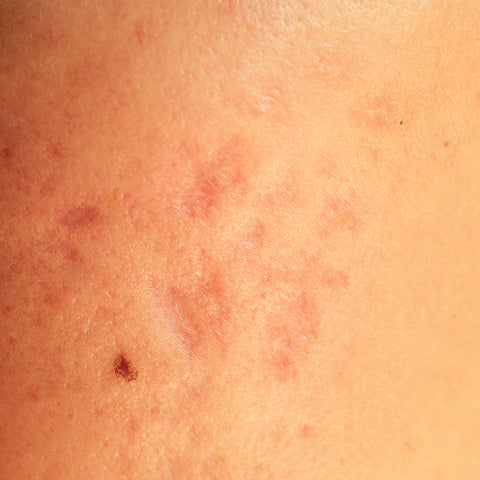
Not all acne marks look the same, and recognising them helps you choose the right care. Pigmentation marks are flat and a different colour from the surrounding skin, while true scars often also change its texture. Here's a quick comparison of the most common types:
| Type of mark | What it looks like |
|---|---|
| Pigmentation marks | Flat areas with a brown, pink or reddish tone that darken in the sun |
| Atrophic scars | Slightly indented areas with uneven texture, resulting from collagen loss |
| Post-acne redness | Pink-red marks right after inflammation settles, usually temporary |
Hypertrophic and, more rarely, keloid scars are raised, with a rougher and drier texture, caused by excess collagen production during healing. They cover the area where the pimple used to be, and sometimes extend beyond it.
How to spot pigmentation marks early

Because of the damage, the skin in these areas is often rougher, drier and with an uneven surface. Pigmentation marks are usually brown or reddish, and their exact shade depends on your complexion, the depth of the damage and the extent of darkening. It's important to know that they get darker with prolonged sun exposure, especially without sun protection.
That's why we recommend applying suitable sun protection for your skin type every day, regardless of the season. This is one of the simplest steps that supports the fading of existing marks and prevents new ones from forming.
Natural remedies for fading marks

There are various dermatological procedures for scars, such as ultrasound treatment, chemical peels or LED masks, but they're often expensive or not suitable for every skin type.
That's why we want to tell you about the natural solutions nature offers us, namely the 100% organic products from InaEssentials, whose herbs the Ralchev family grows and processes in their own distillery in the town of Panagyurishte.
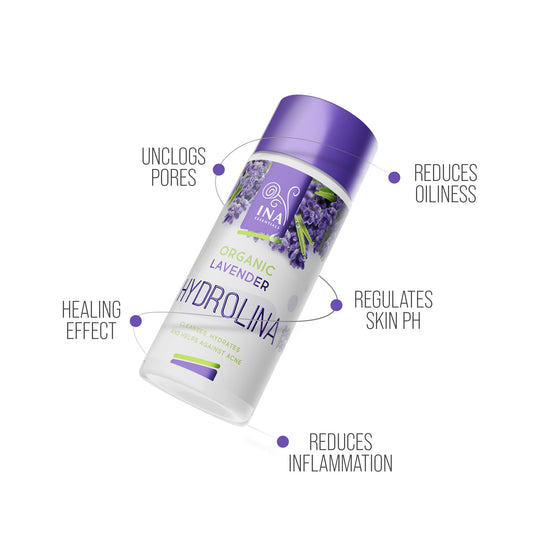
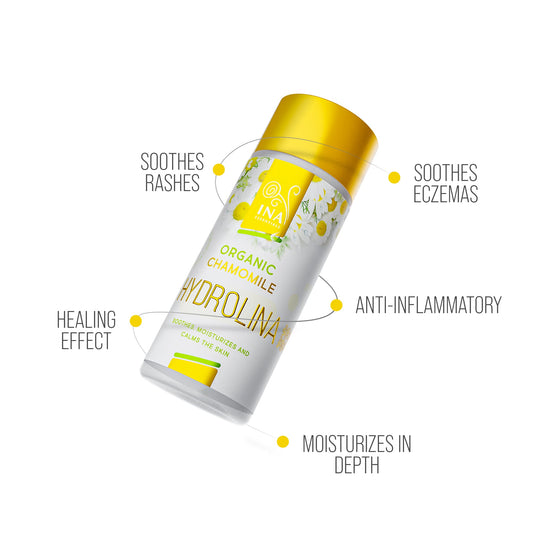
Here are the actives that most often support fading marks and soothe the skin after acne:

For oily skin, the combination of Organic White Fir Water and a drop of lavender essential oil directly on the scar is also a good choice, as lavender helps soothe redness. It's important to apply the oil only locally, not across the whole face, to avoid unnecessary irritation.
A scar-fading routine by skin type

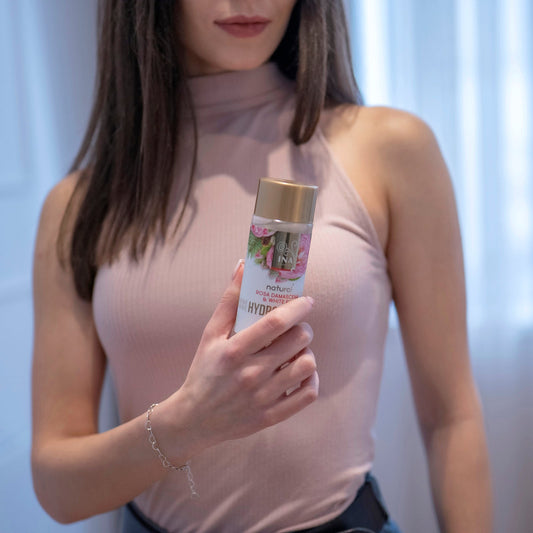
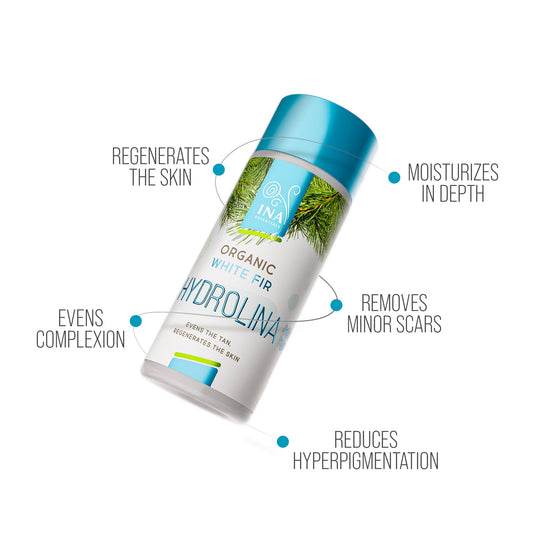
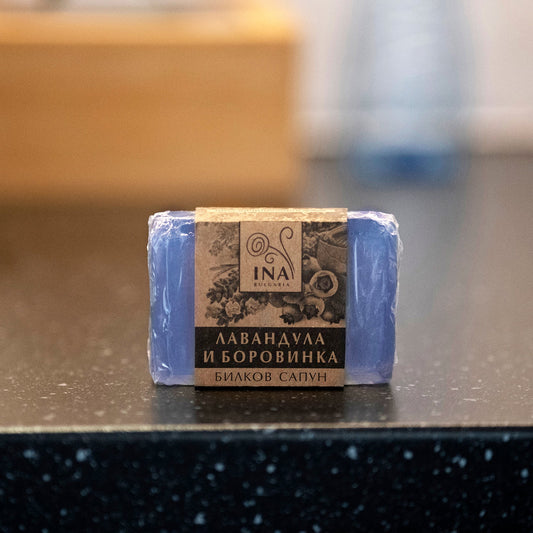
For skin prone to dryness and normal skin, we recommend a three-step routine built around our Pigmentation RoutINA™ line. In the morning, cleanse your face with a natural herbal soap with Damask rose and geranium oil, then apply organic white fir water to regenerate and even your tone.
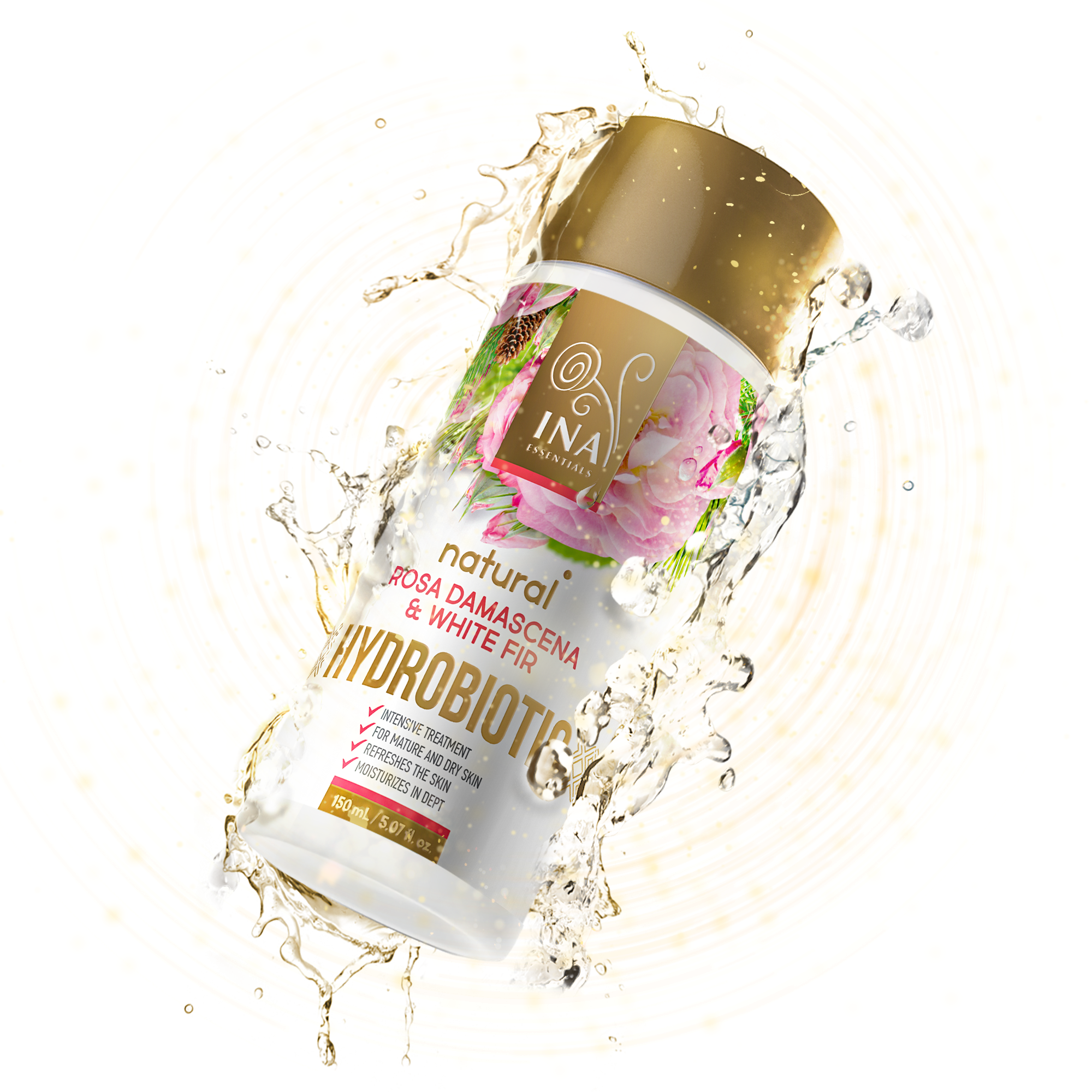
In the evening, repeat the cleanse and finish with a Hydrobiotic serum with rose, white fir and lemon peel, which supports the skin's overnight regeneration.

Consistency is key, because natural actives work gradually, but gently. Here's what you can realistically expect over time:
When marks need a dermatologist

Natural care is a wonderful support for the skin, but in more severe cases it's best to see a specialist. Here's when it's advisable to book a consultation:
- You notice keloid or strongly raised scars that itch or hurt
- Your acne is cystic and leaves deep, indented scars
- Pigmentation marks show no fading after several months of care
- You notice signs of infection: heat, severe pain or pus
- Scars cover a large part of the face and significantly affect your self-esteem
Check out our Pigmentation RoutINA™ routine, created specifically for skin with pigmentation marks and acne scars.

As an addition to the routine, many customers also choose Hydrobiotic - Rose, White Fir & Lemon peel, which supports overnight regeneration and strengthens the skin barrier.
Evens the complexion and soothes skin under stress from acne
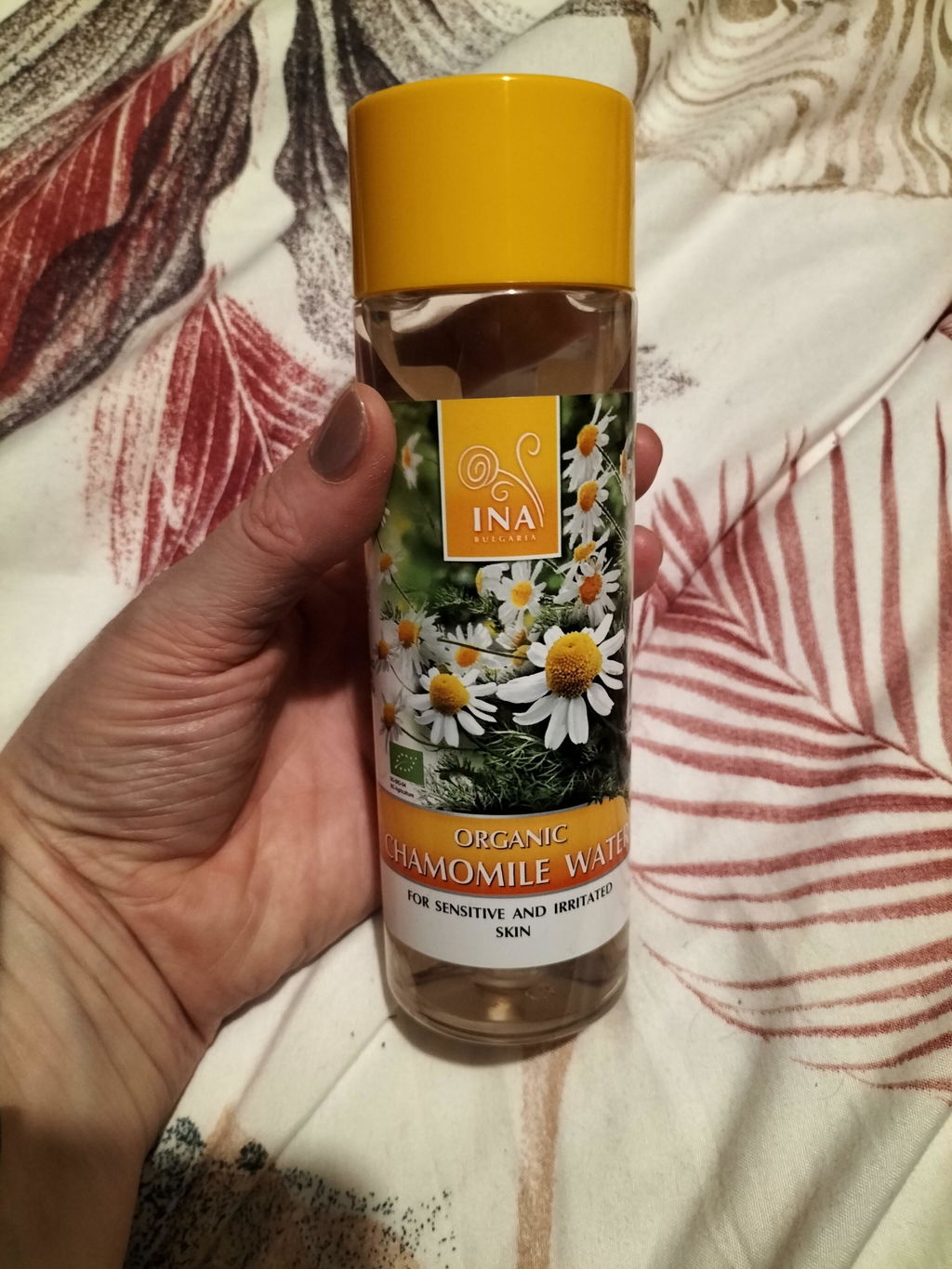
Refreshes and regenerates the skin, supporting faster recovery
Gives the complexion a radiant look and supports the skin's microbial balance
This blend of actives works gradually, without irritating the skin
Pigmentation RoutINA™
A three-step routine built entirely from herbal actives grown by the Ralchev family. It helps even out the complexion and supports the fading of pigmentation marks and acne scars with regular use.
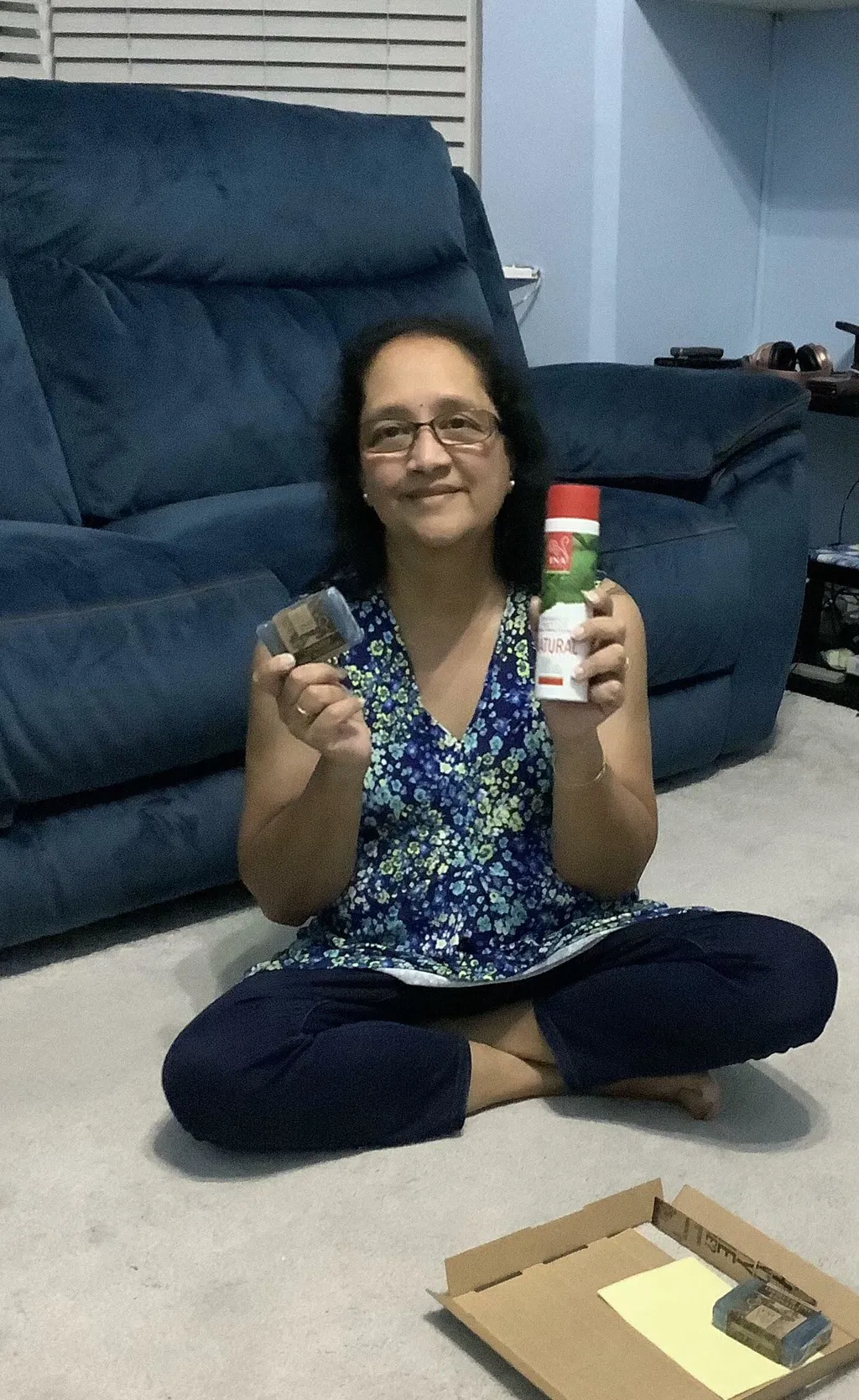
This wonder water is just perfect! My skin is getting better every single day, it's so hydrated, and when I use it with my rose cream, the feeling is even more amazing. Besides the brilliant results, the scent alone has me hooked! I honestly think I've found my holy grail skincare, won't be swapping this out anytime soon.
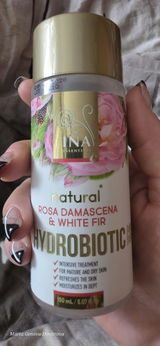
Delighted with your product. Would definitely recommend! ❤️
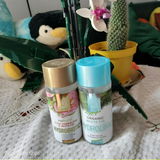
I've only been using it for a short while, but I can't help but notice the quality of the product. My skin feels really soft and smooth after putting it on. Even though I only use it once a day. I'd highly recommend it.
About the InaEssentials family

InaEssentials is a Bulgarian family business with over 25 years of experience in organic farming and natural cosmetics with rose oil, herbal waters and actives from its own plantations. Every product is created with care for the skin and respect for nature.
Frequently asked questions

Important information
This article is for informational purposes only and does not replace consultation with a doctor or dermatologist. InaEssentials products are cosmetic, not medicinal, and results may vary individually.