

- Dairy and acne: how milk and cheese make skin worse
- Sugar and oily skin: sweets, chocolate and soft drinks
- Processed foods that make acne worse
- Fried food and fast food: a hidden enemy of acne-prone skin
- Spicy food and acne: why heat irritates the skin
- Pasta, high glycaemic index and foods that make acne worse
- Acne and diet: how to prevent acne naturally
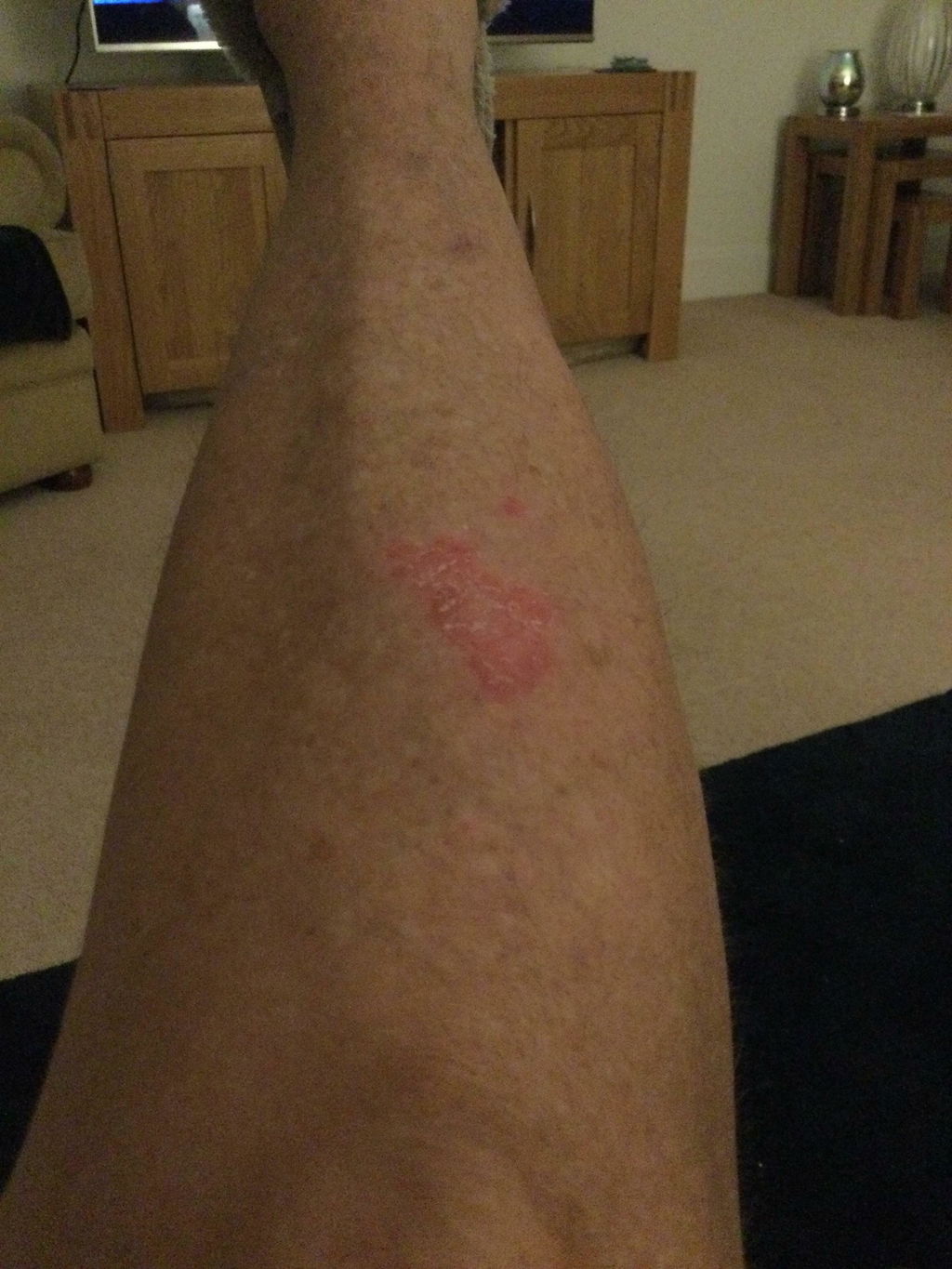
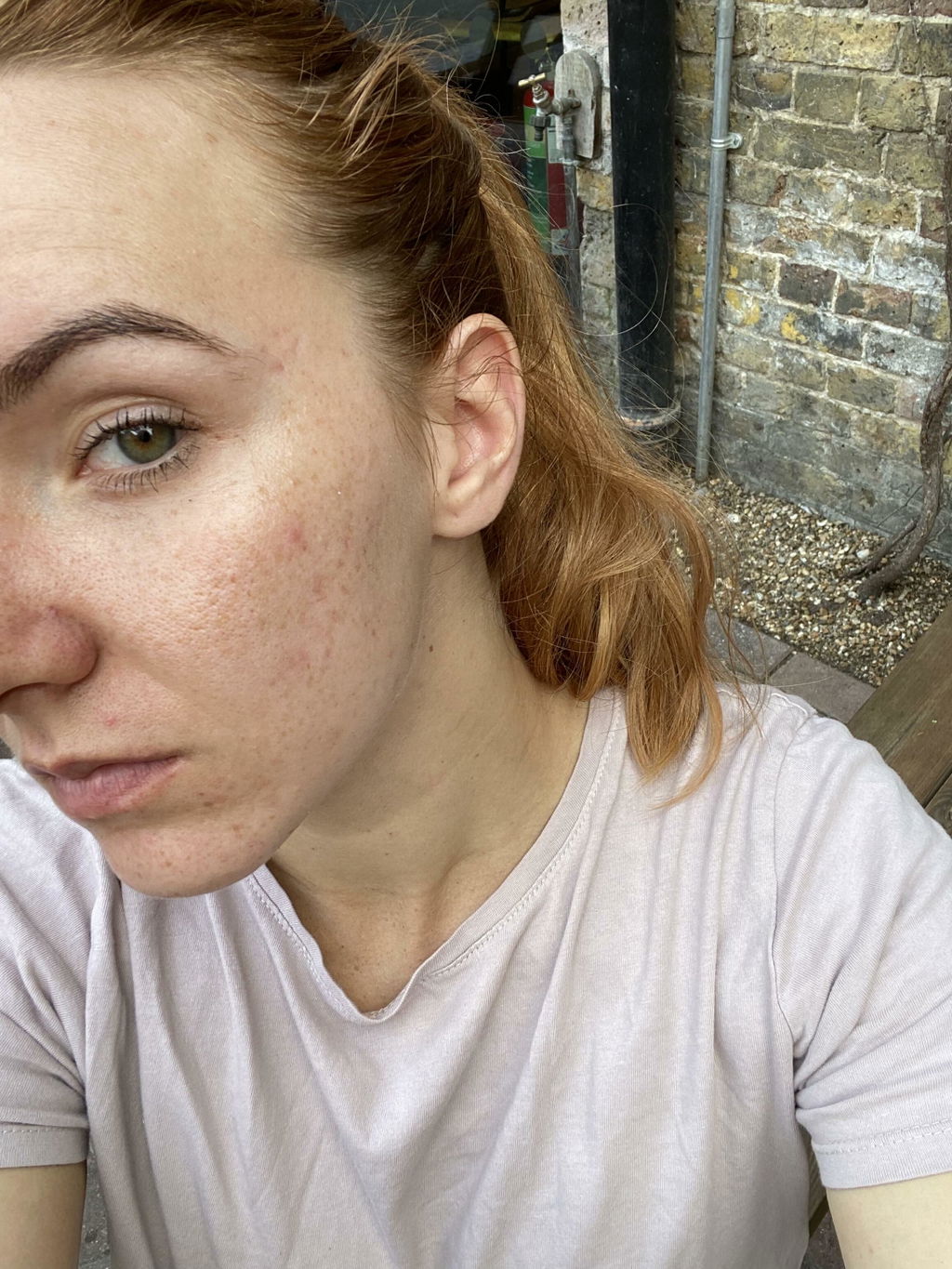
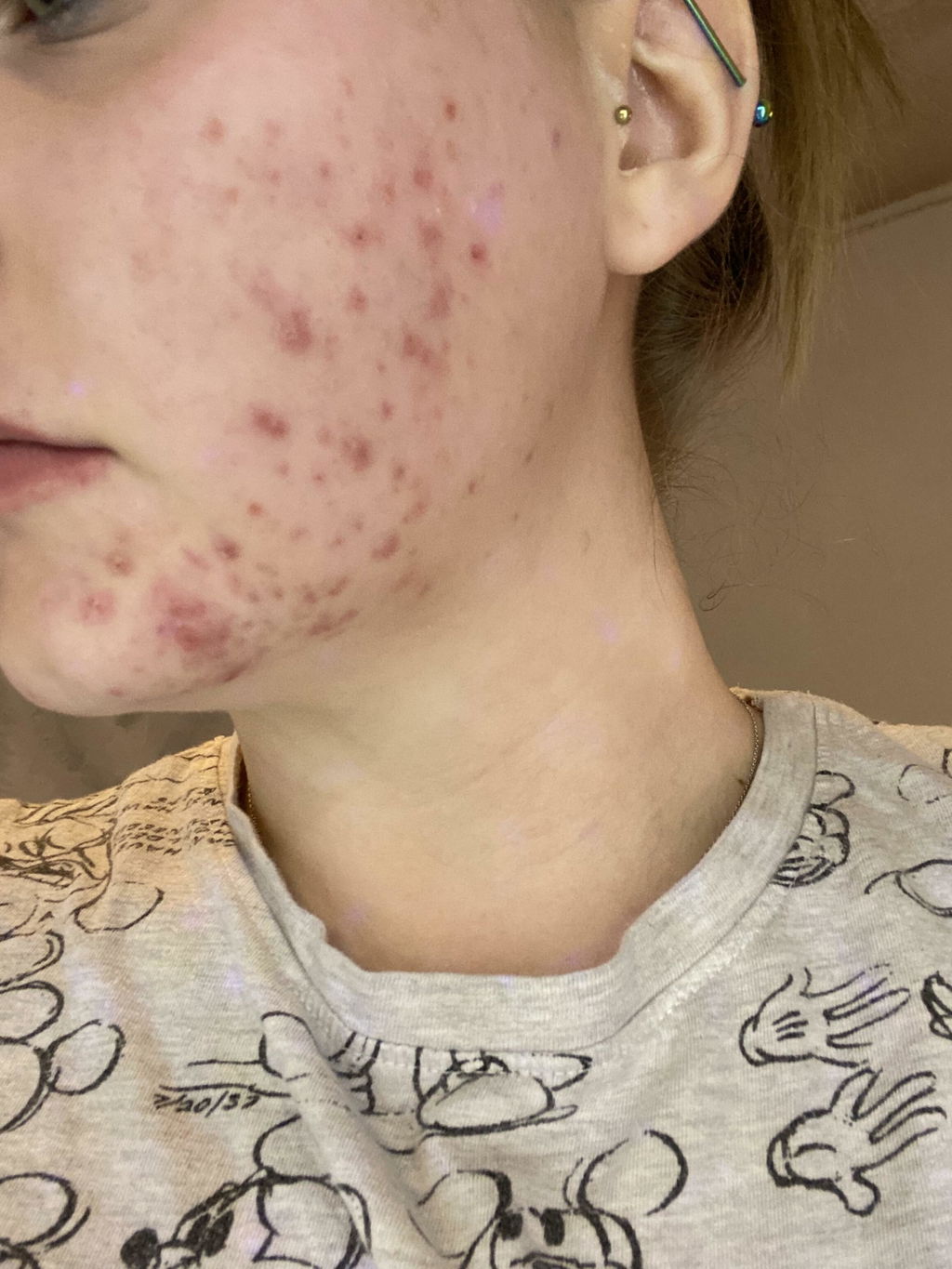
Acne is a common skin condition that affects people of all ages. Although genetics and hormonal factors play a key role, what we put on our plate also leaves a visible mark on our complexion.
Certain foods can contribute to flare-ups by increasing inflammation, stimulating sebum production or affecting hormone levels in the body. Below we look at six food groups that make acne worse and why it's worth consuming them in moderation if your skin is prone to blemishes.
Dairy and acne: how milk and cheese make skin worse
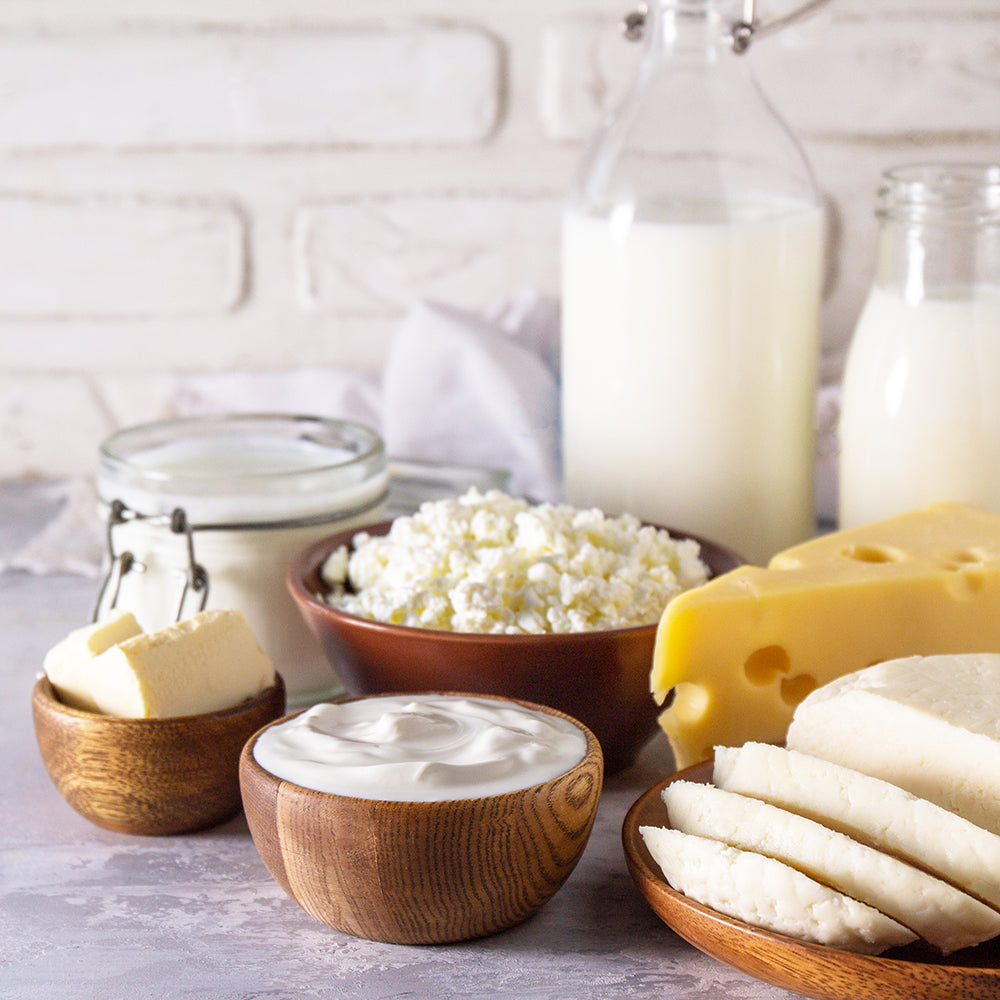
Although milk contains beneficial nutrients, drinking it regularly can have an unfavourable effect on the skin. It contains growth hormones, and combined with a relatively high glycaemic response, it predisposes the skin to more oil secretion, which clogs pores.
Dairy products can also affect the gut microflora, which is closely tied to skin condition, and this is often reflected in inflammation and new blemishes.
Of course, not everyone who consumes milk or dairy develops acne: sensitivity is strictly individual, so it's worth watching how your own skin reacts.
The most common dairy products linked to acne include fresh cow's milk, yoghurt, cheese and ice cream. As a lighter alternative you can try almond, coconut or rice milk, oat drinks and tofu.
Sugar and oily skin: sweets, chocolate and soft drinks

Foods high in refined sugar cause the body to release more insulin, which in turn stimulates androgen hormones responsible for the skin's oil secretion.
This duo of insulin and androgens pushes the skin towards increased sebum production, which is a direct trigger for oily skin and sugar going hand in hand with more inflammation.
Milk chocolate, which combines sugar and dairy ingredients, places extra strain on the skin and gut bacteria. Among the main culprits are cakes, biscuits, lollies, soft drinks and milk or white chocolate. As a more balanced choice you can opt for dark chocolate with a high cocoa content and fresh fruit.
Processed foods that make acne worse
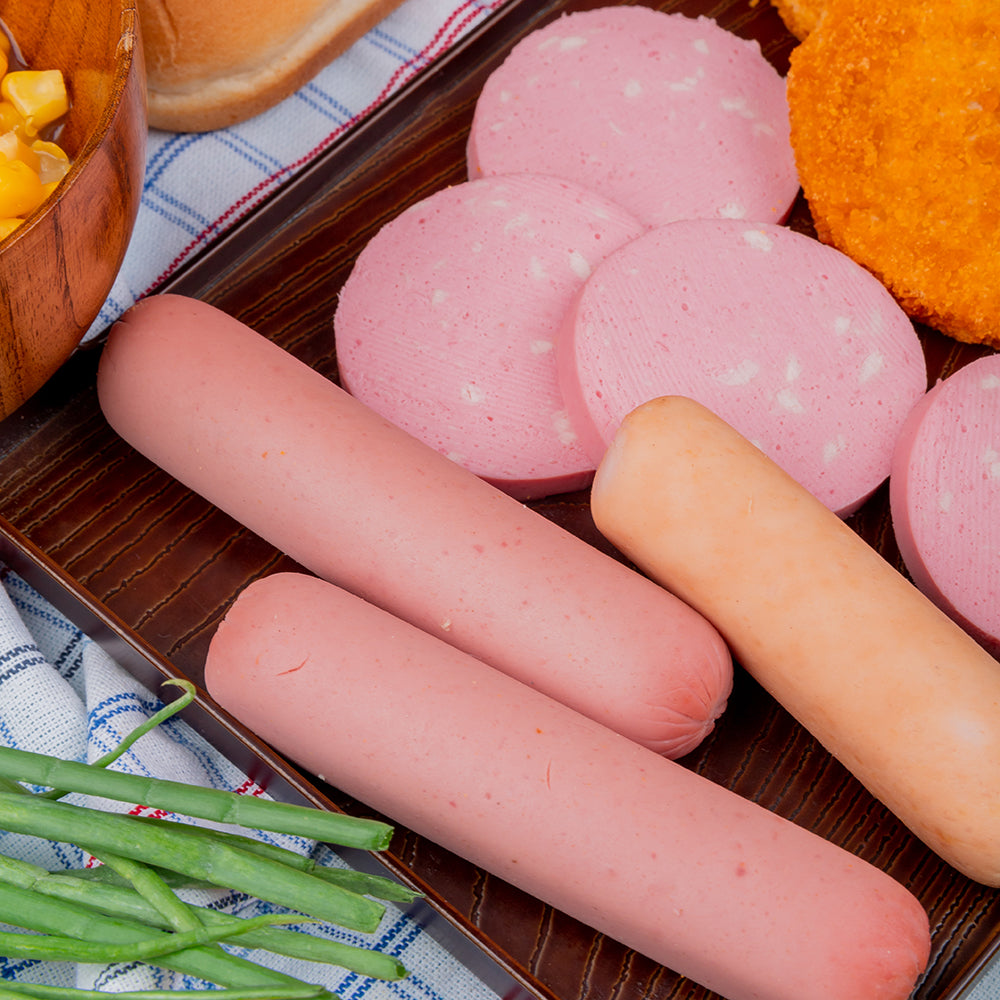
Processed products are usually high in sugar, unhealthy fats, preservatives, colourings and salt, a combination that has an unfavourable effect on both the skin and overall health.
They are low in the nutrients needed to maintain a balanced complexion. Typical examples are sausages, crisps, ready-made sauces and frozen pizzas or nuggets. A better alternative is wholegrain foods, legumes, fish, chicken and more fresh vegetables in your meals.
Fried food and fast food: a hidden enemy of acne-prone skin
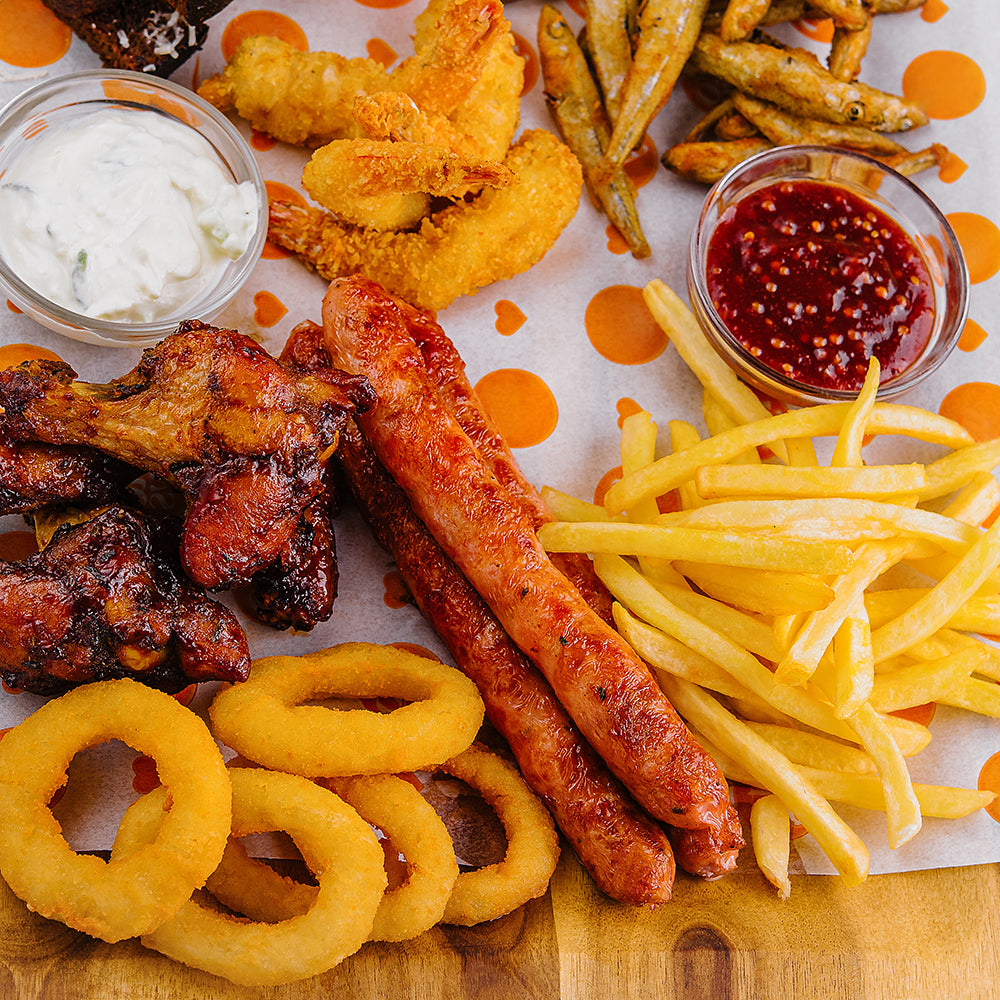
Fried foods are among the main culprits behind an increased risk of acne, thanks to their high content of saturated and trans fats, which fuel inflammation and increase sebum production, blackheads and pimples.
These foods often also contain added sugar and refined carbohydrates, which trigger spikes in blood sugar. Have you noticed how your skin looks shinier and oilier to the touch after eating fried food?
Among the most common examples are hot chips, fried chicken, doughnuts and burgers. Baked, boiled, steamed or grilled foods are a significantly gentler alternative for the skin.
Spicy food and acne: why heat irritates the skin
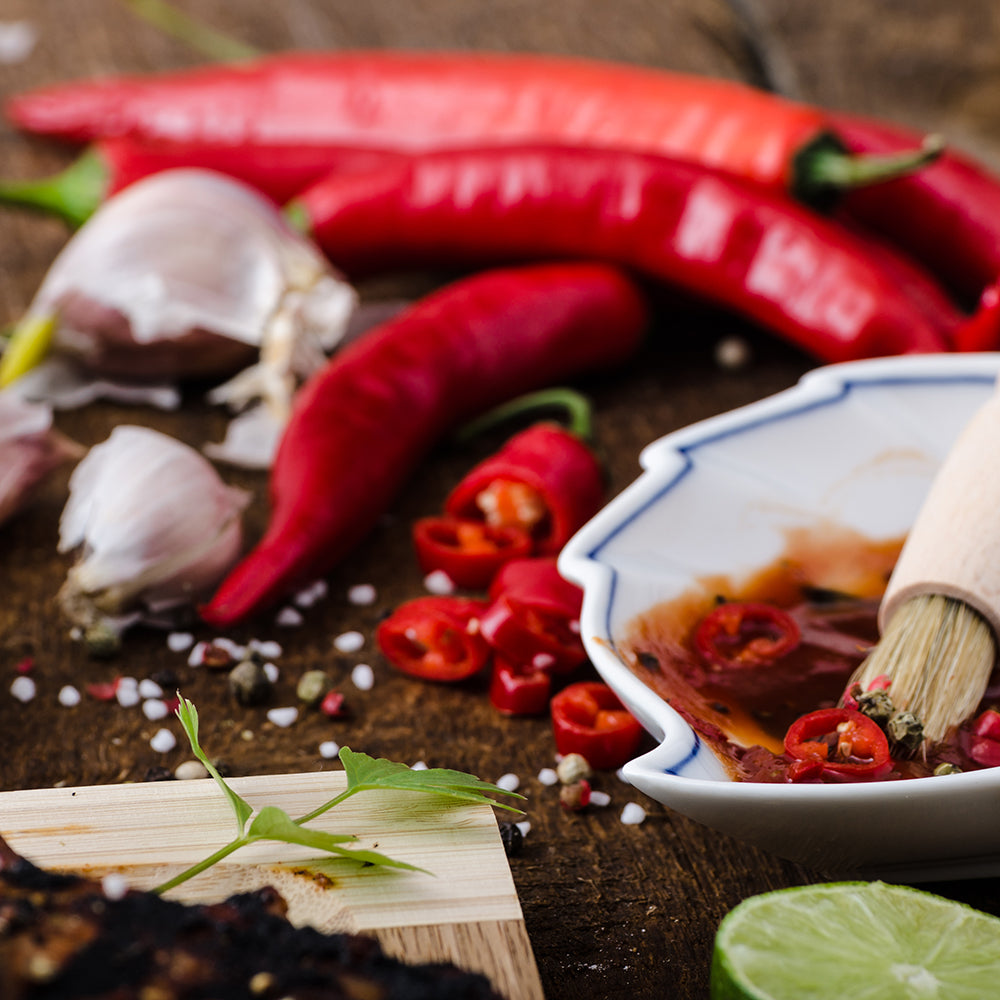
Spicy foods can worsen acne by stimulating local inflammation, increasing sweating and irritating the gastrointestinal tract, which indirectly affects the skin too.
Since individual reactions vary considerably, people prone to acne would do well to watch how their skin responds to hot spices and reduce the amount if needed.
Hot chilli, curry and large amounts of ginger are among the foods to watch, while milder spices that don't irritate the stomach are a gentler choice.
Pasta, high glycaemic index and foods that make acne worse
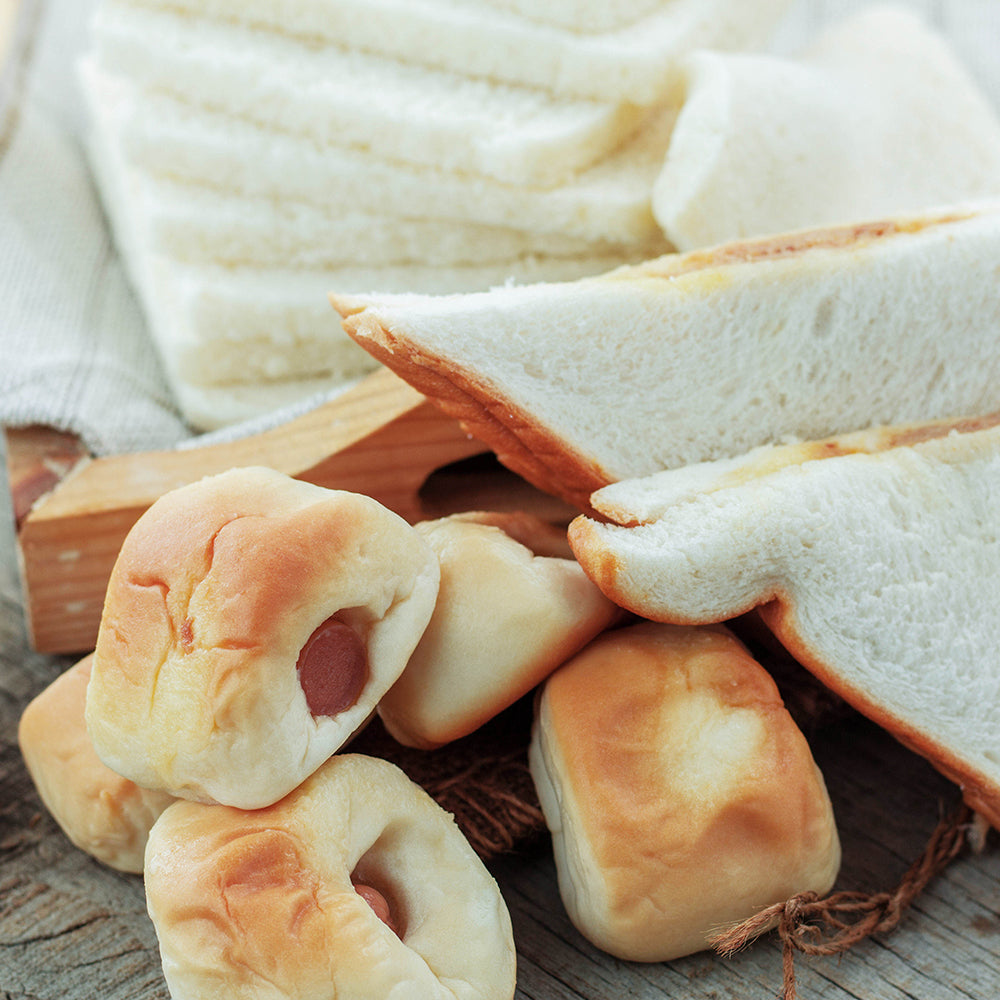
Pasta, bread and foods with a high glycaemic index are rich in sugar and refined carbohydrates, which raise blood sugar quickly and lead to an increase in insulin.
This spike stimulates the oil glands to produce more sebum, which can clog pores. It's worth noting that the glycaemic index varies depending on how a food is prepared and what it's combined with in a meal.
White bread, white rice, spaghetti, pasta, potatoes, watermelon and bananas are among the higher-risk examples. Wholegrain foods, legumes and vegetables provide a slower release of sugar and more stable insulin levels.
| Food | Why it makes acne worse |
|---|---|
| Dairy products | Growth hormones and a high glycaemic response that increase sebum |
| Sugar and sweets | Spike in insulin and androgens, leading to oilier skin |
| Processed foods | High in salt, preservatives and low in beneficial nutrients |
| Fried food and fast food | Saturated fats and refined carbohydrates that stimulate sebum |
| Spicy food | Local irritation and increased sweating |
| Pasta / high GI | Rapid spike in blood sugar and insulin |
- Almond, coconut or rice milk
- Dark chocolate with a high cocoa content
- Fresh fruit and vegetables
- Wholegrain foods and legumes
- Fish and chicken
- Baked, boiled or steamed dishes
- Cow's milk, cheese and other dairy
- Sweets, cakes and milk chocolate
- Sausages, crisps and ready-made sauces
- Hot chips and burgers
- Excess spicy seasoning
- White bread, white rice and pasta
Acne and diet: how to prevent acne naturally

For best results, it's recommended to combine a balanced diet rich in whole foods and low in processed products and sugar with regular external skincare.
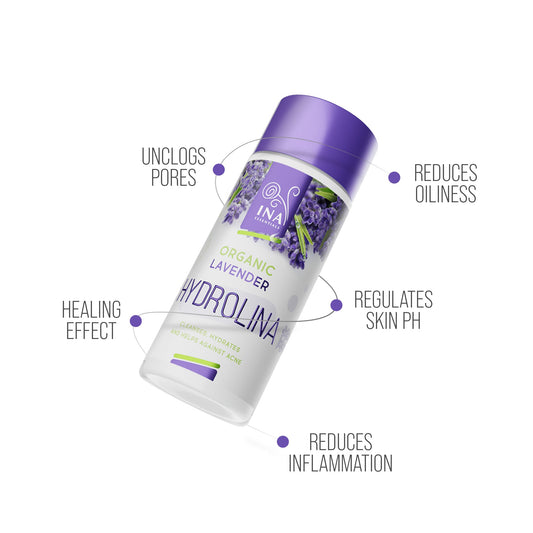
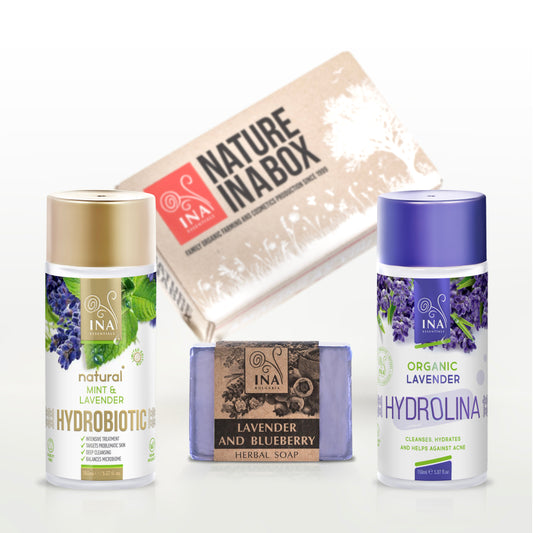
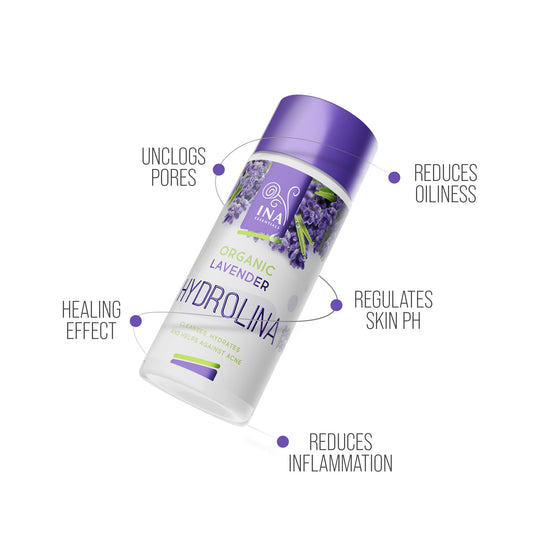
The herbal waters from our farm, such as Organic Lavender water - Hydrolina, are made from fresh lavender flowers and are rich in soothing and balancing properties.
They support a feeling of freshness, help visibly reduce redness and support sebum balance, without replacing a dermatologist consultation for more pronounced skin concerns.
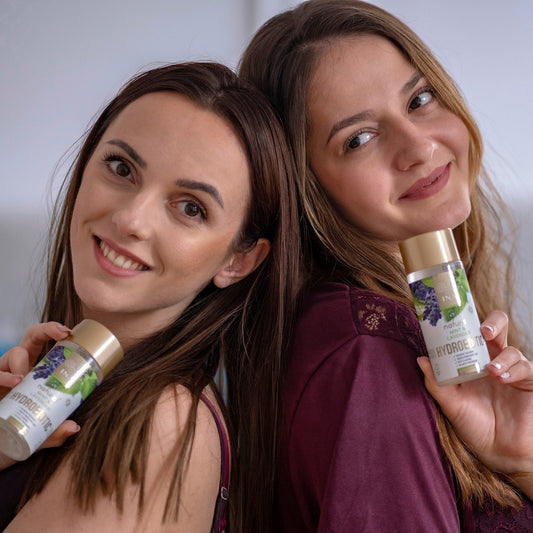
Alongside care from within, blemish-prone skin also needs the right daily routine from the outside. Hydrobiotic - Lavender & Mint is specially formulated for skin prone to acne and excess oil, combining deep cleansing with the refreshing feel of mint and the soothing care of lavender.
Removes excess sebum and impurities from the pores without drying out the skin.
Supports the visible reduction of redness and brings back a feeling of comfort to the skin.
Gives a feeling of freshness and lightness after every application.
Supports the regulation of oil secretion for a more balanced complexion throughout the day.

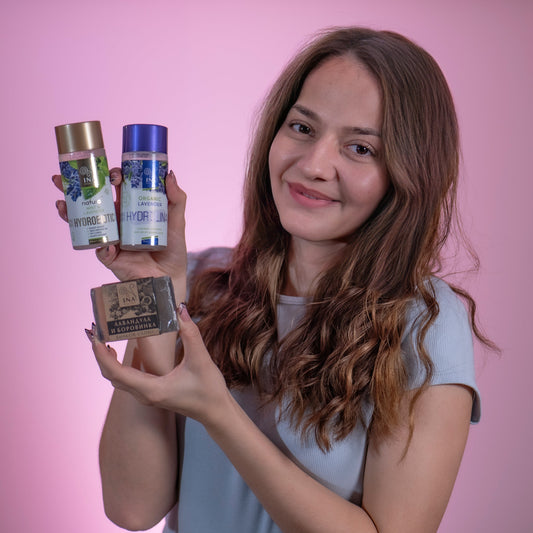
FOR COMPLETE CARE: ACNE ROUTINA™
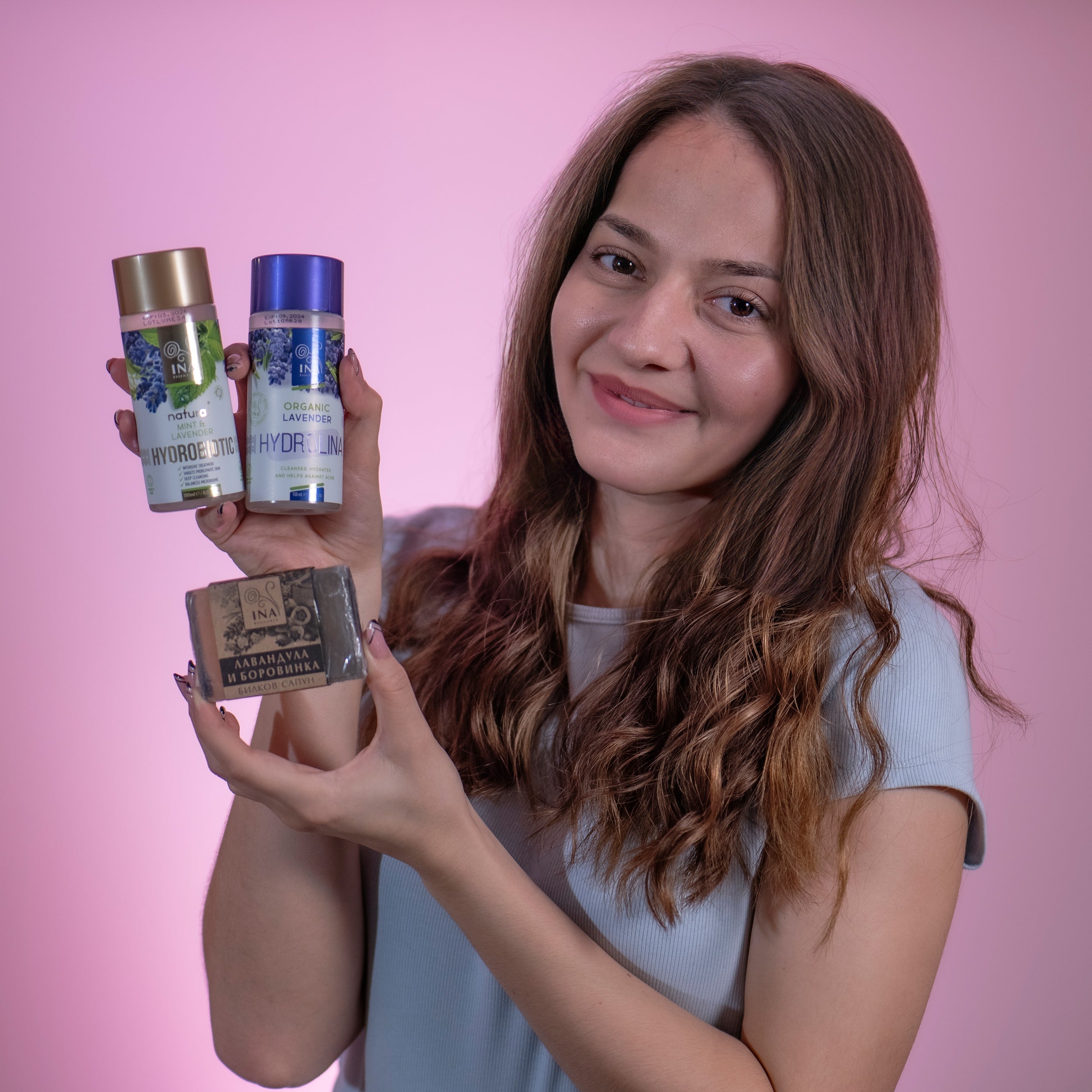
Three products working in sync with the skin's natural processes for a complete approach to acne, blackheads and excess oil, paired with regular attention to your diet.
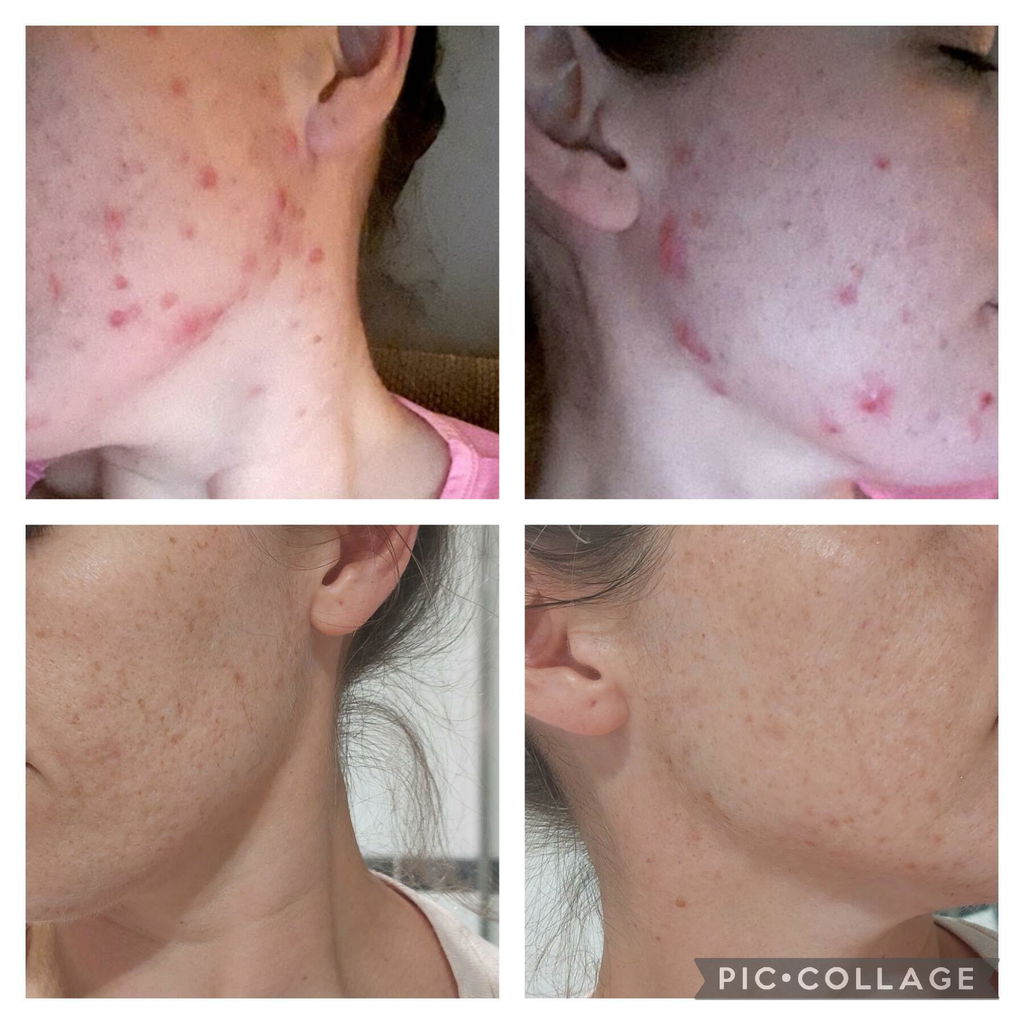
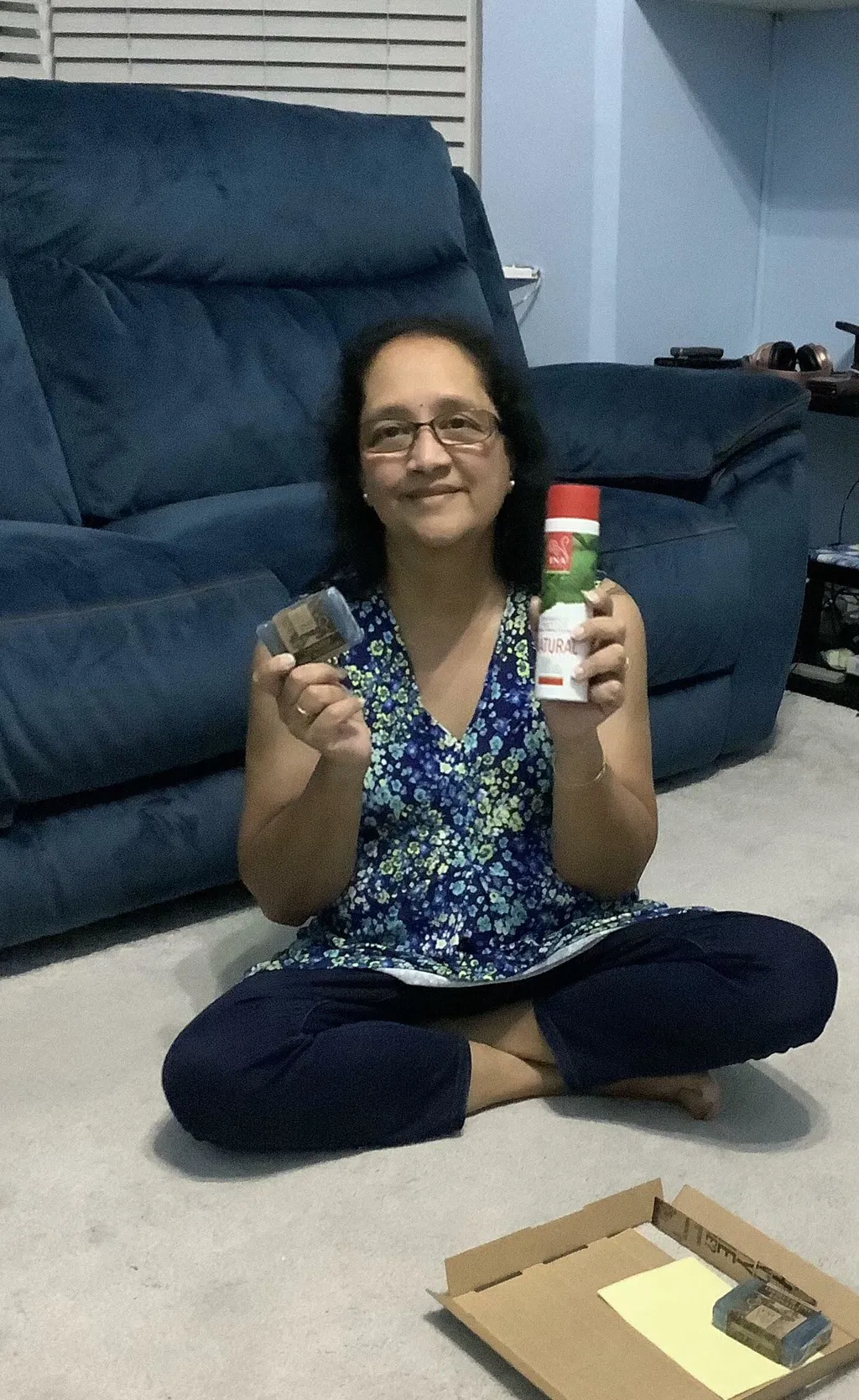
Howya:) Your products are absolutely lovely... Stay well and keep 'er lit with this quality always!
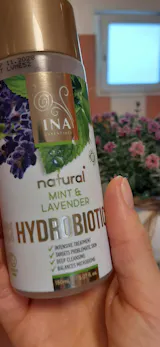
Cheers! It really is a product that gets results. ❤
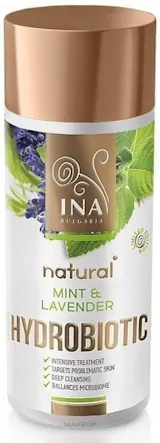
I'm absolutely delighted with them, they've really got something about them. My skin is way better than it used to be.
About the InaEssentials family

InaEssentials is a Bulgarian family business with over 25 years of experience in organic farming and natural cosmetics with rose oil, herbal waters and actives from its own plantations. Every product is created with care for the skin and respect for nature.
Frequently asked questions

Important information
This article is for informational purposes only and does not replace consultation with a doctor or dermatologist. InaEssentials products are cosmetic, not medicinal, and do not cure, completely remove or guarantee results for acne. For pronounced or persistent skin concerns, please consult a specialist.